ב"ה

Likutei Sichos vol. 29 Brachah and Simchas Torah
Learn how the verse Torah Tzivah in the last Torah portion, which describes Torah as an unforsaken inheritance, conveys the theme of Simchat Torah. Understanding the level of joy on Pesach, Shavuot and Sukkot, together with the advantage of Teshuvah, sheds light on the joy of Simchat Torah.


We all struggle with our egos, our need for attention. To “make it” we try to stand out and be significant. Paradoxically, we experience tremendous joy and holiness when we can unite with our brothers and sisters. There are special times and ways of celebration that help us tap into that beautiful oneness we all share at our core.


The nights of the festival of Sukkos are marked by Simchas Beis Hashoeva, dancing and joyous celebration reminiscent of the festivities in Temple times. The final day of Sukkos, Hoshana Rabbah, is marked in a more solemn way, as it is the day on which the judgement that began on Rosh Hashanah is sealed. But that should not be a reason not to celebrate.
Likutei Sichos vol. 29 Brachah and Simchas Torah
Learn how the verse Torah Tzivah in the last Torah portion, which describes Torah as an unforsaken inheritance, conveys the theme of Simchat Torah. Understanding the level of joy on Pesach, Shavuot and Sukkot, together with the advantage of Teshuvah, sheds light on the joy of Simchat Torah.




At the very beginning of Yom Kippur, before Kol Nidrei, we declare: “With the sanction of the
Omnipresent, and with the sanction of the congregation, by authority of the Heavenly Court, and by authority of the earthly court, we hereby grant permission to pray with those who have transgressed.” All agree that on this day, there are no differences between Jews; they all stand united as one in the presence of G-d.


30 Menachem Av, 5742 · August 19, 1982
The Lubavitcher Rebbes were emphatic that children be taught the Hebrew letters and vowels
separately, and only afterwards how to pronounce them together — for example, to recite:
"Kumatz-Alef — Uh". Each individual letter, vowel and sound was given at Sinai, and therefore,
each must be articulated in its own right.

6 Tishrei, 5735 · September 22, 1974
The Talmud relates that Miriam bas Bilga abandoned Judaism, married a gentile Greek
officer and accompanied the Greeks as they stormed the Holy Temple. She then went and
pounded the Holy Altar with her sandal, crying out: “Wolf, wolf! You consume the Jewish
People’s wealth, but you don't answer them in their time of need!” For this latter deed, the
Sages punished her entire family.

Jewish girls are equal members in Tzivos Hashem. Even though in Torah the “army” is not a place for women, when it comes to a battle of life and death – and the battle against the evil inclination is a battle of survival – the law is different. In that case, even a bride must go from her wedding to take part.


Lag B’omer, 5744 · May 20, 1984
An address to children at the 1984 Lag B’omer parade
“You shall love your fellow as yourself.” We see this commandment expressed here today
through the great number of Jewish children who have gathered together. Although you come
from different walks of life, you all sit together today, showing esteem for one another, and
resolving together to grow in Torah and Mitzvos.


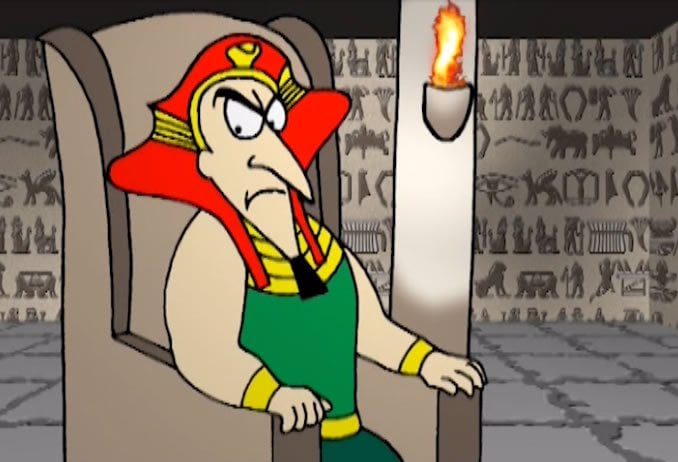
Using exclusively licensed technology from KabbalaLabs Disincorporated, the latest device in time-travel is now being marketed to the public by Infinity Labs Intergalactical. Inexpensive and easy to construct in your own backyard, the Super Sukkah will prove a big hit for the entire family, friends, hornets and in-laws.





Laws and customs of the holiday
What special rituals are performed on the holiday of Sukkot? How does one perform them? What are some of the deeper reasons for doing what we do? An expert in Jewish law gives an overview of the lulav and etrog, eating in a sukkah, and other Sukkot-related observances.


Likutei Sichos vol. 29 Brachah and Simchas Torah
Learn how the verse Torah Tzivah in the last Torah portion, which describes Torah as an unforsaken inheritance, conveys the theme of Simchat Torah. Understanding the level of joy on Pesach, Shavuot and Sukkot, together with the advantage of Teshuvah, shed


Get the Chabad.org Video app